
 Mark Luigi Dacumos
The Aftermath of Disaster: Finding Help to Rebuild
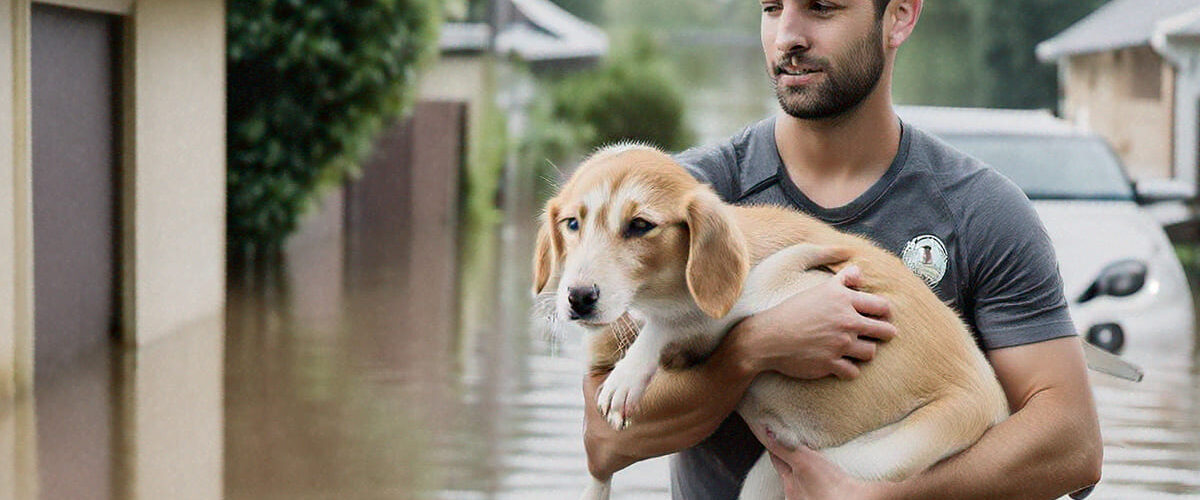
When a natural disaster hits, the effects can be life-changing. Floods, hurricanes, wildfires, earthquakes—these events can destroy homes, disrupt communities, and leave families scrambling to recover. Once the storm clears, the challenges of rebuilding can feel overwhelming. In addition to the emotional and physical toll, financial struggles often come into play, with many unsure where to find the funds to start over. But know this: you’re not alone, and there are grants available to help you through this difficult time. Grants can provide critical assistance to help you rebuild, repair, and recover from the devastation.
Federal Assistance: A Lifeline for Disaster Survivors
When disaster strikes, the federal government often steps in to support affected communities. The Federal Emergency Management Agency (FEMA) is usually one of the first responders, offering both immediate and long-term assistance. FEMA’s Individuals and Households Program (IHP) provides financial help for temporary housing, home repairs, and other needs not covered by insurance. Additionally, FEMA’s Crisis Counseling Assistance and Training Program (CCP) offers emotional and mental health support for disaster survivors.
For those who need more substantial assistance to rebuild their homes, FEMA also partners with the Small Business Administration (SBA). Despite its name, the SBA provides low-interest disaster loans not only to businesses but also to homeowners and renters who need financial help to replace or repair their homes and personal property.
To learn more about these programs, visit the FEMA and SBA Disaster Loan Assistance websites.
State and Local Programs: Support Close to Home
While federal programs provide broad assistance, state and local governments also play a crucial role in disaster recovery. States often have emergency management agencies that can help coordinate relief efforts and provide access to local grants. For example, after the California wildfires, the state provided grants for those who lost their homes or were displaced. In Florida, local housing finance agencies provide financial aid to repair homes damaged by hurricanes. Your local city or county government might also have short-term grants available for home repairs, utility payments, or rent assistance.
Contact your state’s emergency management agency to learn more about programs available in your area. Don’t hesitate to reach out; these local grants are specifically designed to help residents get back on their feet.
Nonprofit Organizations: A Community of Support
Beyond government assistance, many nonprofit organizations offer grants and other resources to help disaster survivors rebuild their lives. The American Red Cross is often one of the first on the ground, providing emergency shelter, food, and other essentials in the wake of a disaster. Habitat for Humanity, another widely recognized organization, assists in rebuilding homes for those affected by natural disasters.
Smaller, local nonprofits also play a big role in recovery. Organizations like Team Rubicon, which mobilizes veterans to help with disaster relief, or the United Way, which provides funds
and coordinates community support, can be vital resources. They often provide direct financial assistance or work with communities to rebuild and provide resources that are otherwise hard to access.
For more information, explore the American Red Cross, Habitat for Humanity, Team Rubicon, and United Way.
Applying for Grants: Where to Begin
Applying for grants can be a process, but it’s an essential step toward getting the financial assistance you need. Start by gathering all necessary documentation—proof of property ownership, photos of damage, insurance information, and any other paperwork that will demonstrate your need for support. Once you have your documentation ready, prioritize applying to federal programs like FEMA first, as they often have deadlines tied to the disaster declaration date.
From there, explore state and local grants, and don’t forget about community nonprofits that may offer help. When completing applications, be clear about your situation and your needs. It’s also helpful to have a list of expenses related to recovery—repairs, temporary housing costs, medical bills—so you can effectively communicate your financial needs.
Emotional Recovery: It’s Not Just About the Money
The recovery process after a natural disaster isn’t just about rebuilding your house; it’s also about rebuilding your life. Experiencing a disaster can be deeply traumatic, and it’s important to take care of your mental health as you navigate the road to recovery. Seek out support groups or counseling services that can help you process your emotions and find comfort in the community around you. Many nonprofits that offer disaster relief also provide mental health resources, and FEMA’s Crisis Counseling Assistance and Training Program is a valuable support tool for anyone struggling to cope after a disaster.
Connecting with others who have been through similar experiences can also be incredibly healing. Whether through online forums or local community centers, talking to those who understand your journey can make the recovery process feel less isolating and more manageable.
Preparing for the Future: Building Resilience
While you may be focused on recovering from the current disaster, it’s also worth considering ways to build resilience for the future. Once your immediate needs are met, explore options for making your home more disaster-resistant. Some grants specifically aim to help homeowners make their properties safer against future storms, fires, or earthquakes. For example, the Hazard Mitigation Grant Program from FEMA provides funds for measures that reduce or eliminate long-term risks to life and property.
Additionally, think about setting up an emergency savings fund, creating a family emergency plan, and investing in adequate insurance coverage to better prepare for any future emergencies. These proactive steps can make all the difference when disaster strikes again.
Helpful Links for Disaster Recovery Grants
Here are some resources to help you access recovery grants and assistance:
- FEMA – Disaster Assistance
- SBA Disaster Loan Assistance
- American Red Cross – Disaster Relief and Recovery Services
- Habitat for Humanity – Disaster Recovery
- Team Rubicon – Disaster Relief
- United Way – Disaster Recovery
- FEMA Hazard Mitigation Grant Program
These resources are excellent starting points to find assistance for housing repairs, temporary shelter, emotional support, and financial recovery. Each program offers unique aid and can guide you through the steps needed to access their services.

Rebuilding, Recovering, and Moving Forward
Recovering after a natural disaster can be one of the most challenging experiences of your life, but you don’t have to face it alone. There are grants, programs, and supportive communities designed to help you through each step of the journey. Take things one day at a time, lean on available resources, and remember that reaching out for help is not only okay but essential in rebuilding your home and your life. You have the strength to get through this, and the path to recovery is filled with people and organizations ready to support you.


Add comment