

 Mark Luigi Dacumos
The Rising Cost of Groceries: A Growing Concern for Many
As the cost of living rises, one of the most significant burdens on families across the country is the skyrocketing price of groceries. For many, what was once a manageable part of the household budget has become a source of stress and anxiety. It’s hard to keep food on the table when every trip to the store leaves you wondering how to stretch your dollar even further. While cutting back on luxuries may be possible, food is essential, and no one should have to go without the basics. Fortunately, several food assistance programs are designed to help ease the burden of grocery bills and ensure everyone has access to nutritious meals.
Supplemental Nutrition Assistance Program (SNAP): A Lifeline for Many
The Supplemental Nutrition Assistance Program (SNAP), formerly known as Food Stamps, is one of the largest food assistance programs in the U.S. SNAP provides eligible individuals and families with a monthly benefit to purchase groceries. This program is particularly helpful for low-income households that struggle to afford enough food each month. SNAP benefits are distributed through an Electronic Benefits Transfer (EBT) card, which works much like a debit card at participating grocery stores.
To qualify for SNAP, households must meet specific income guidelines based on family size. The application process may vary by state, but the support it offers can make a world of difference. If you’re eligible, this program can be a crucial lifeline in managing your grocery expenses.
The Special Supplemental Nutrition Program for Women, Infants, and Children (WIC): Supporting Families in Need
WIC is another vital program, specifically designed to assist pregnant women, new mothers, and young children. It provides not only food assistance but also nutrition education, breastfeeding support, and healthcare referrals. WIC benefits can be used to purchase healthy foods like fruits, vegetables, whole grains, dairy products, and infant formula. The goal of WIC is to ensure that vulnerable families, particularly those with young children, receive the nutrition they need for healthy growth and development.
If you’re pregnant, breastfeeding, or have children under the age of five, WIC can be a valuable resource. It’s tailored to the nutritional needs of growing families and helps alleviate some of the pressure that comes with rising food costs.
Food Banks and Pantries: Local Help for Immediate Needs
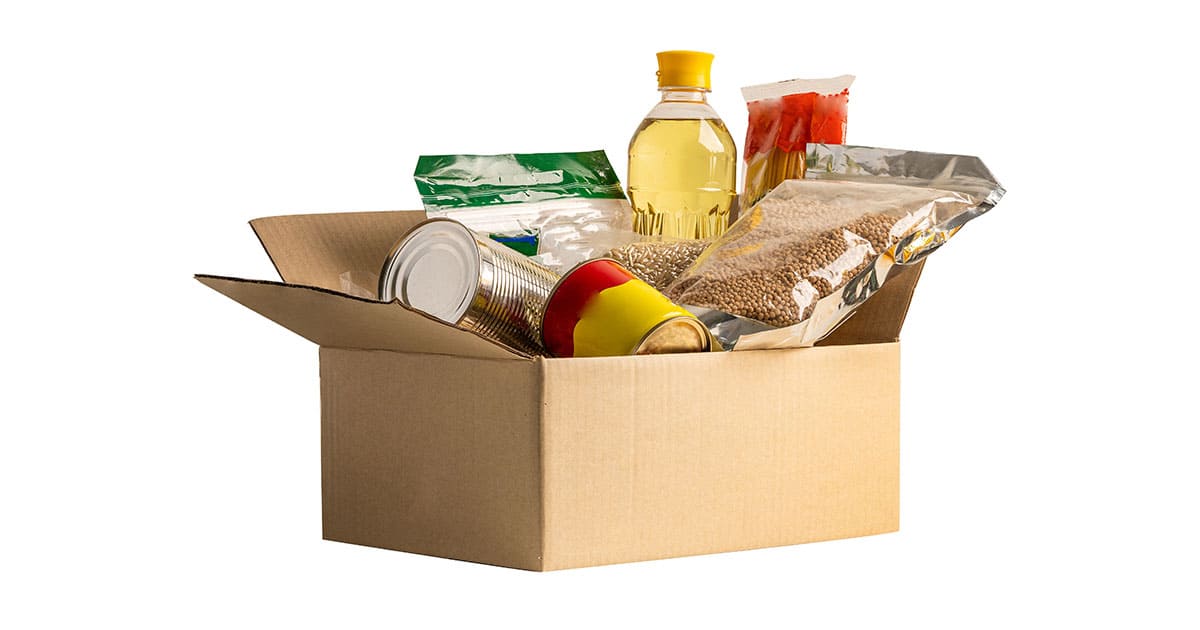
For those facing immediate food insecurity, food banks and pantries offer a practical solution. These organizations operate on a local level, distributing free groceries to individuals and families in need. Food banks typically source donations from grocery stores, farmers, and community members, ensuring that no one goes hungry. You can find a wide variety of food items, from canned goods to fresh produce, depending on availability.
Most food pantries require little to no documentation, making them an accessible option for anyone facing a temporary or ongoing food crisis.
The National School Lunch Program (NSLP): Helping Kids Stay Healthy and Focused
For families with school-aged children, the National School Lunch Program (NSLP) can provide much-needed assistance. This federal program offers low-cost or free lunches to children in public and nonprofit private schools. By participating in the NSLP, children receive meals that meet federal nutrition guidelines, ensuring they have access to the food they need to grow, learn, and thrive.
The NSLP is available to families based on income eligibility, and the process of enrolling is typically done through the child’s school. The program not only helps ease the financial strain on parents but also plays a crucial role in making sure kids are well-fed during the school day.
Meals on Wheels: Serving Seniors Across the Nation
Older adults, particularly those living on fixed incomes, often face difficulties affording groceries. Meals on Wheels is a national program dedicated to delivering free or low-cost meals to seniors who are unable to shop or cook for themselves. Volunteers bring hot, nutritious meals directly to the homes of seniors, providing not only food but also a sense of connection and community.
Meals on Wheels helps ensure that seniors don’t go hungry, especially those with limited mobility or who live alone. This program is a wonderful option for elderly individuals who might otherwise be overlooked when it comes to food assistance. To learn more or sign up for the service, visit the Meals on Wheels website.
Commodity Supplemental Food Program (CSFP): A Resource for Low-Income Seniors

In addition to Meals on Wheels, the Commodity Supplemental Food Program (CSFP) provides nutritious food packages to low-income seniors. These packages include non-perishable foods such as canned vegetables, cereals, and protein items like peanut butter and canned meat. The
program is designed to supplement seniors’ diets with food that they might not otherwise be able to afford, helping them maintain their health as they age.
If you’re 60 or older and meet the income requirements, the CSFP can help ensure you’re getting the nutrients you need. This program, in combination with others like Meals on Wheels, offers a comprehensive approach to senior nutrition.
Community Supported Agriculture (CSA): A Fresh Approach to Food Assistance
Community Supported Agriculture (CSA) programs are another way to make healthy, fresh food accessible to families in need. By joining a CSA, individuals or families can receive regular boxes of fresh produce directly from local farms. While CSA memberships usually require an upfront cost, some farms offer subsidized shares for low-income families. These programs support both local agriculture and food security, making them a win-win for communities.
If you’re interested in receiving fresh, locally-grown produce while supporting your local farmers, look for CSAs in your area. Some nonprofit organizations and local governments also work to provide CSA shares to food-insecure families at little to no cost.
Finding the Right Program for You: Explore All Your Options
With so many food assistance programs available, it’s important to explore all your options. Whether you’re looking for immediate help through a food bank or seeking long-term support through federal programs like SNAP or WIC, there are resources designed to meet your needs. It’s never easy to ask for help, but these programs exist to ensure that no one has to struggle alone. By taking advantage of these resources, you can alleviate some of the pressure that comes with managing grocery bills and provide your family with the nutritious food they deserve.
Useful Resources and Links
For more information and to apply for food assistance programs, explore the links below:
- SNAP (Supplemental Nutrition Assistance Program)
- WIC (Special Supplemental Nutrition Program for Women, Infants, and Children)
- Feeding America: Find Your Local Food Bank
- National School Lunch Program (NSLP)
- Meals on Wheels
- Commodity Supplemental Food Program (CSFP)
These resources provide valuable assistance for individuals and families facing food insecurity, helping to ensure that everyone has access to the nutritious meals they need to thrive.


Add comment