

 Mark Luigi Dacumos
The Housing Struggle for Disabled Individuals: Understanding the Challenges
Finding accessible and affordable housing can be a significant challenge for individuals with disabilities. From navigating physical barriers to dealing with financial limitations, the search for a suitable home often feels like an uphill battle. Many disabled individuals live on fixed incomes, making it tough to cover the high costs associated with accessible housing. Furthermore, housing options that meet specific mobility or accessibility needs can be scarce, pushing people into unsuitable living situations. However, there is hope through various grants, programs, and resources designed to help disabled individuals secure the housing they need.
Federal Housing Grants: A Financial Lifeline for Disabled Individuals
Federal housing grants offer essential financial support to disabled individuals, helping cover the costs of accessible housing modifications, rent, and even home purchases. Programs like the Housing Choice Voucher Program (Section 8) by the U.S. Department of Housing and Urban Development (HUD) can assist in reducing monthly rent payments, making it easier to find a suitable living space. The Section 811 Supportive Housing for Persons with Disabilities program provides affordable rental housing and supportive services, tailored to help residents live independently.
Another valuable resource is the HOME Investment Partnerships Program, which offers funding to local communities to create affordable housing opportunities. These federal grants and programs are designed to bridge the gap between the high costs of housing and the financial constraints faced by disabled individuals. For more information on these programs, you can visit the HUD Housing Choice Voucher Program and Section 811 Supportive Housing for Persons with Disabilities.
State and Local Resources: Exploring Options Close to Home
Beyond federal programs, state and local governments also offer resources to assist disabled individuals in securing housing. Many states have dedicated housing authorities that provide grants, rental assistance, and housing vouchers tailored to the needs of disabled residents. Programs like California’s Homeownership for Persons with Disabilities Program and Florida’s State Housing Initiatives Partnership (SHIP) are just a few examples of state-specific resources that can help.
Local nonprofits and community organizations often collaborate with state housing authorities to provide additional support, including assistance with home modifications and accessible housing searches. These resources are crucial for filling in the gaps left by federal programs, and offering more localized and personalized support. Checking with your local housing authority or community service organizations can uncover additional grants and resources that might be available in your area.
Home Modification Grants: Making Your Space Accessible
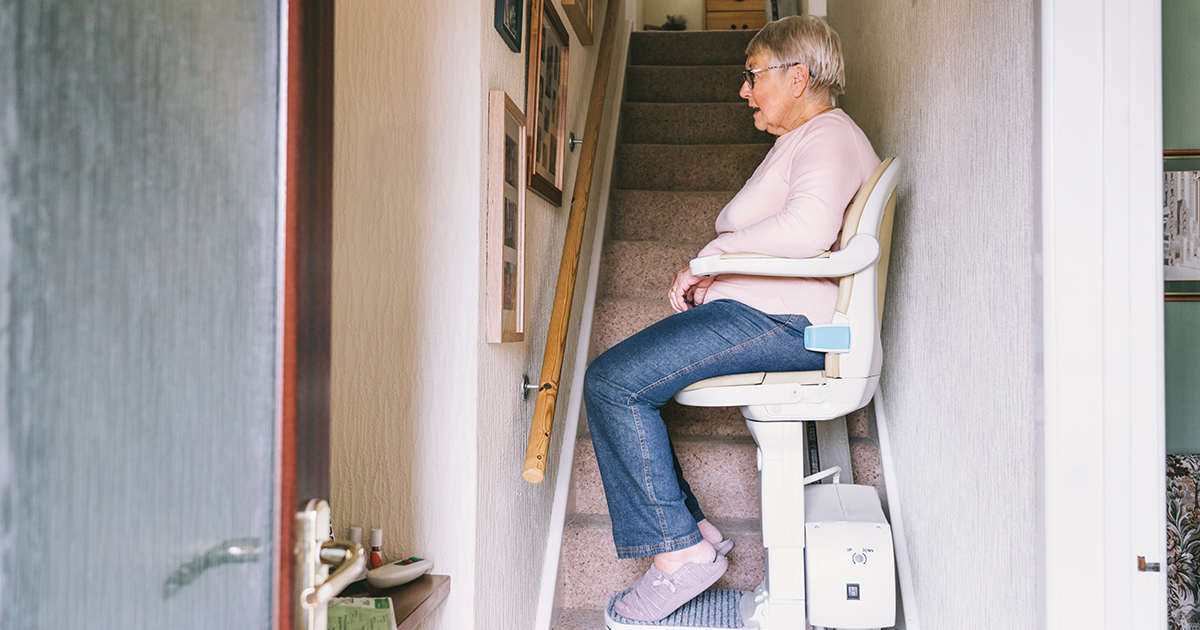
For disabled individuals who already own their homes or are planning to buy, home modification grants are a game-changer. These grants provide funds to make necessary changes to your living space, ensuring it meets your accessibility needs. Programs like the Specially Adapted Housing (SAH) Grant and the Special Housing Adaptation (SHA) Grant offered by the Department of Veterans Affairs (VA) are specifically designed for disabled veterans, providing financial support to make substantial modifications, such as installing ramps, widening doorways, or upgrading bathroom facilities.
The Rural Housing Repair Loans and Grants program from the USDA also assists low-income homeowners in rural areas, offering funds to remove health and safety hazards, including accessibility improvements. Making your home more accessible not only enhances your quality of life but also allows you to live more independently and comfortably in a space that truly meets your needs.
Nonprofit Organizations: A Community of Support
Several nonprofit organizations are dedicated to helping disabled individuals find and maintain accessible housing. Organizations like Habitat for Humanity and Rebuilding Together offer home repair services that include accessibility modifications for low-income households. Additionally, the National Disability Rights Network (NDRN) and the Center for Independent Living (CIL) provide advocacy, support services, and resources to assist disabled individuals in their housing search.
The Arc, a national organization for people with intellectual and developmental disabilities, offers housing resources and support services that can help you find suitable living arrangements. These organizations work tirelessly to advocate for the rights of disabled individuals, ensuring they have access to the resources and support needed to secure safe and accessible housing.
Advocacy and Legal Support: Knowing Your Housing Rights
Understanding your rights as a disabled individual in the housing market is crucial. Discrimination based on disability is illegal under the Fair Housing Act, and knowing your rights can empower you to advocate for fair treatment. Legal organizations like Disability Rights Advocates (DRA) and the National Fair Housing Alliance (NFHA) offer guidance and support if you encounter discrimination while seeking housing.
These organizations can provide legal representation, advice, and educational resources to help you understand and assert your rights. Whether you’re facing challenges with landlords, need assistance with reasonable accommodations, or have been unfairly denied housing, these advocacy groups are there to support you. Protecting your rights is a key part of securing the housing you deserve, ensuring that you have access to safe and accessible living spaces.
Finding Your Path Forward: Tips for Securing Housing
Securing housing as a disabled individual can be challenging, but with the right resources and support, it’s possible to find a place that meets your needs. Start by exploring federal, state, and local grants, and don’t hesitate to reach out to nonprofit organizations for additional assistance. Building a network of support—whether through advocacy groups, community organizations, or housing authorities—can provide valuable guidance and encouragement along the way.
Be proactive in seeking out accessible housing options and advocating for any modifications or accommodations you may need. Remember, you are entitled to fair and equal access to housing, and there are numerous resources available to help you achieve this goal. Every step you take brings you closer to finding a home that provides the safety, stability, and accessibility you deserve.

Useful Resources and Links
For more information on housing grants and resources for disabled individuals, visit these helpful links:
- HUD Housing Choice Voucher Program
- Section 811 Supportive Housing for Persons with Disabilities
- Specially Adapted Housing (SAH) Grant
- Special Housing Adaptation (SHA) Grant
- Rural Housing Repair Loans and Grants
- National Disability Rights Network (NDRN)
- Center for Independent Living (CIL)
- Habitat for Humanity
- Rebuilding Together
These resources provide essential support and guidance, helping disabled individuals access the housing grants and services needed to secure a safe and accessible home. By leveraging these programs, you can take the first steps toward finding the right housing solution that meets your needs.


Add comment