

 Mark Luigi Dacumos
The Aftermath of a Storm: Taking the First Steps Towards Recovery
When the skies finally clear after a storm, what’s left behind can be overwhelming – damaged homes lost possessions, and a whole lot of uncertainty about how to start over. Whether it’s a hurricane, tornado, flood, or any severe weather event, the devastation can be life-changing. While the emotional toll of such an event can’t be overstated, one of the biggest challenges most people face is financial recovery. Finding the means to rebuild, repair, or simply get by until things stabilize can feel like an impossible task. But you don’t have to do it alone – storm relief grants and assistance programs can help you get back on your feet.
Understanding Storm Relief Grants: More Than Just Financial Aid
Storm relief grants are funds provided by government agencies, nonprofit organizations, and private entities to help individuals and families affected by natural disasters. Unlike loans, these grants don’t need to be paid back, offering much-needed financial support to cover a range of needs. From home repairs and temporary shelter to replacing lost belongings and covering living expenses, these grants are designed to ease the burden during a tough time. It’s essential to act quickly after a disaster strikes, as many relief programs have deadlines for applications. Knowing where to look and how to apply can be the first step toward recovery.
Federal Assistance: Your Go-To for Quick and Reliable Aid
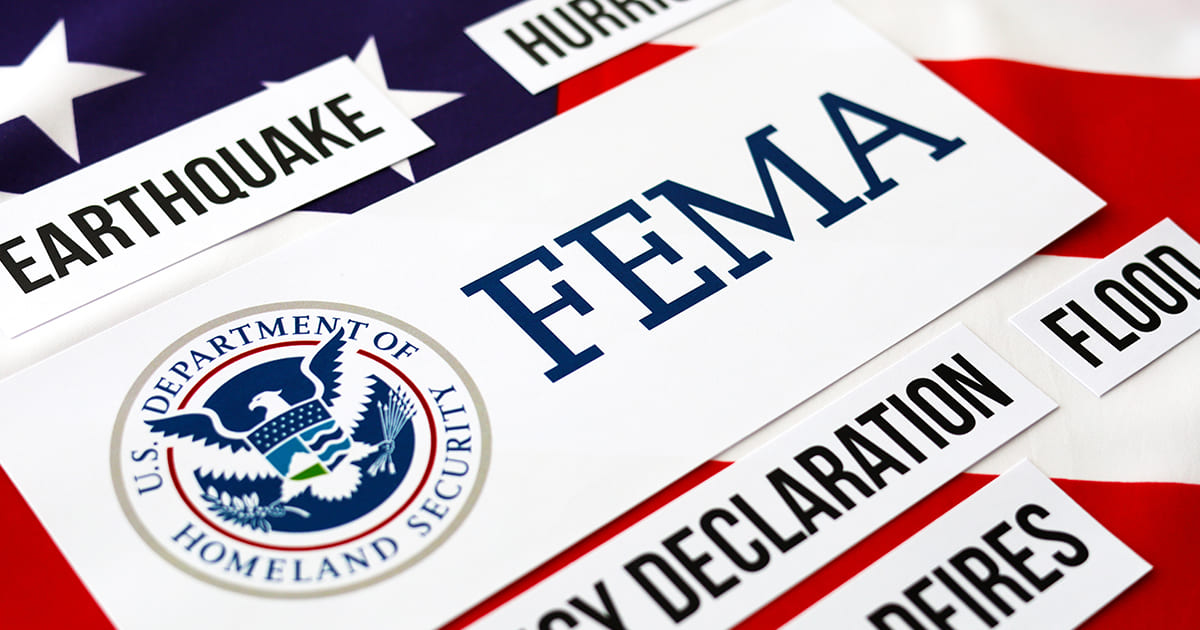
The Federal Emergency Management Agency (FEMA) is the primary agency responsible for providing disaster assistance to individuals and families. Once a major disaster declaration is made by the president, FEMA makes funds available through its Individual Assistance Program.
This program provides grants for temporary housing, home repairs, and other disaster-related expenses not covered by insurance.
To apply, visit DisasterAssistance.gov or call FEMA directly at 1-800-621-3362. Make sure you have all the necessary documentation, such as proof of residence, insurance information, and identification. FEMA’s application process is generally straightforward, and the sooner you apply, the faster you can receive aid.
In addition to FEMA, the U.S. Small Business Administration (SBA) offers low-interest disaster loans for homeowners, renters, and businesses to cover repairs, replacements, and economic losses caused by the storm. While these are loans, not grants, they are an option to bridge financial gaps.
State and Local Grants: Help Closer to Home
While federal programs provide broad support, state and local governments often offer their own storm relief grants tailored to the needs of their communities. These programs may provide additional financial aid beyond what’s available from FEMA or target specific groups such as low-income households, the elderly, or those with disabilities.
To find these programs, check your state’s emergency management agency website, city or county government pages, or local housing authorities. Often, community organizations will also have information on available grants and how to apply. Local assistance programs might be less well-known, but they can provide essential funds for immediate needs like temporary housing, food, and basic supplies.
Nonprofit Organizations: A Helping Hand from the Community
Many nonprofit organizations step in to provide support after a storm, offering grants, supplies, and hands-on assistance to help people rebuild their lives. The American Red Cross, for example, provides immediate assistance in the form of shelter, food, and emergency financial aid. They can also guide you in applying for other grants or services available in your area.
Another valuable resource is the Salvation Army, which often sets up relief centers to distribute essential items and provide grants to families for basic needs and home repairs. Churches, community foundations, and other local organizations may also have programs specifically for storm recovery, and they often provide more personalized help than larger federal agencies.
Groups like the National Voluntary Organizations Active in Disaster (NVOAD) provide a comprehensive list of nonprofits actively involved in disaster relief. These nonprofits offer grants or connect you with resources to support your recovery.
Insurance Payouts and Gaps: Using Grants to Cover What’s Not Covered
For many storm victims, insurance is the first place to turn for financial help. But what happens if your insurance doesn’t cover all the damage, or you don’t have insurance at all? Relief grants can fill the gap left by partial payouts or coverage exclusions. Be sure to file your insurance claim immediately and keep all records, as you’ll likely need this documentation when applying for grants.
If you’re underinsured, grants can help cover additional costs like temporary housing, home repair expenses, or medical needs. Grants are not designed to duplicate insurance payments but can supplement what’s already covered. Always be clear about what your insurance will pay and what remains outstanding, as this transparency is crucial when applying for most relief grants.
Crowdfunding and Community Support: When All Else Fails
When traditional sources of funding aren’t enough, crowdfunding can be a lifeline. Platforms like GoFundMe, Kickstarter, and Fundly allow you to share your story and seek financial support from friends, family, and even strangers who want to help you rebuild. While it’s not a guaranteed form of financial assistance, many people have found success in raising funds quickly through these platforms.
Remember to be transparent about your situation and how the funds will be used. Sharing pictures, videos, and updates on your progress can help garner more support. Additionally, local communities often come together to provide help in the form of fundraising events, donation drives, and direct aid, so don’t be afraid to reach out to your neighbors or local community centers.
Steps to Secure Storm Relief Grants: A Simple Guide
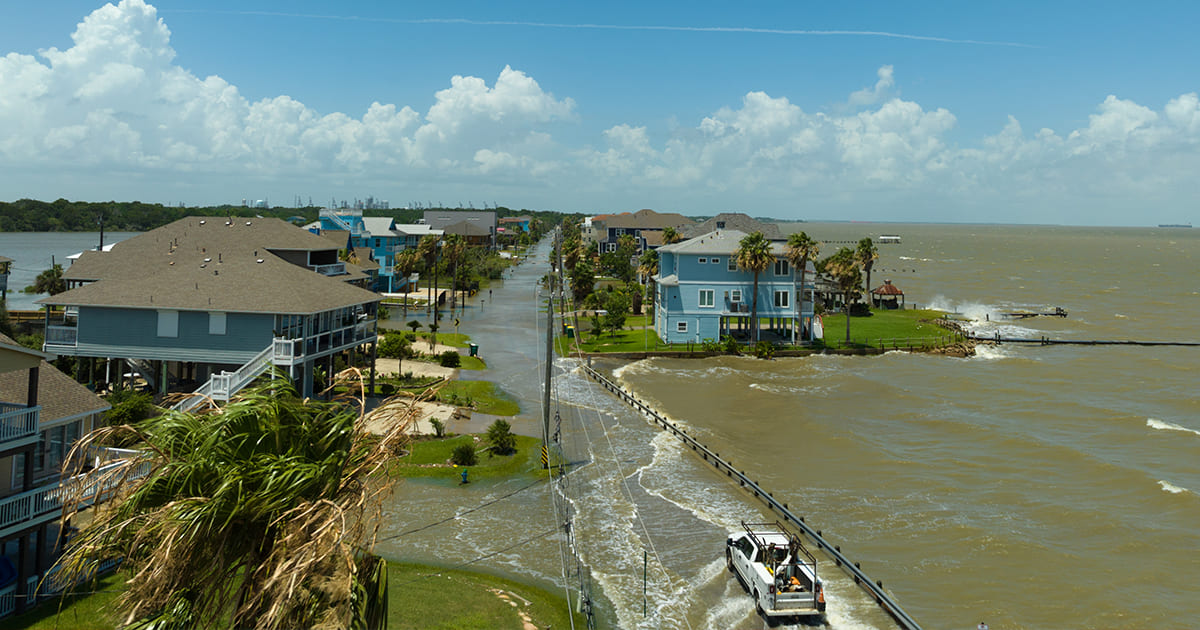
- Document the Damage: Take photos, and videos, and make a list of damaged items. This documentation will be crucial for both insurance claims and grant applications.
- Contact FEMA and Local Agencies: Apply for assistance through DisasterAssistance.gov and check state and local resources for additional grants.
- Reach Out to Nonprofits: Contact organizations like the American Red Cross, Salvation Army, and other community-based groups for additional support.
- File Your Insurance Claim Promptly: Even if you don’t think you’re covered, file a claim. It may be necessary for other aid applications.
- Apply Quickly and Follow Up: Many grants have deadlines or limited funds. Submit your applications as soon as possible and stay in touch with agencies for updates.
Helpful Resources for Storm Relief Grants
- FEMA Individual Assistance Program
- Disaster Assistance – Apply for FEMA Help
- U.S. Small Business Administration Disaster Loans
- National Voluntary Organizations Active in Disaster (NVOAD)
- American Red Cross – Disaster Relief
- Salvation Army – Disaster Relief
- National Association of State Disaster Relief Agencies
Moving Forward: Building Back Stronger
Recovering from a storm is never easy, but there is hope in knowing that help is out there. Securing storm relief grants and aid can provide the support you need to rebuild your home, replace your belongings, and find a sense of normalcy again. Remember to reach out to all available resources – from federal programs to local nonprofits and your community – to ensure you get the help you need. With the right support and a little patience, it is possible to overcome the challenges and build back stronger.

Add comment